Uber Backup Driver: Why Passenger Accidents in Louisiana Are Different
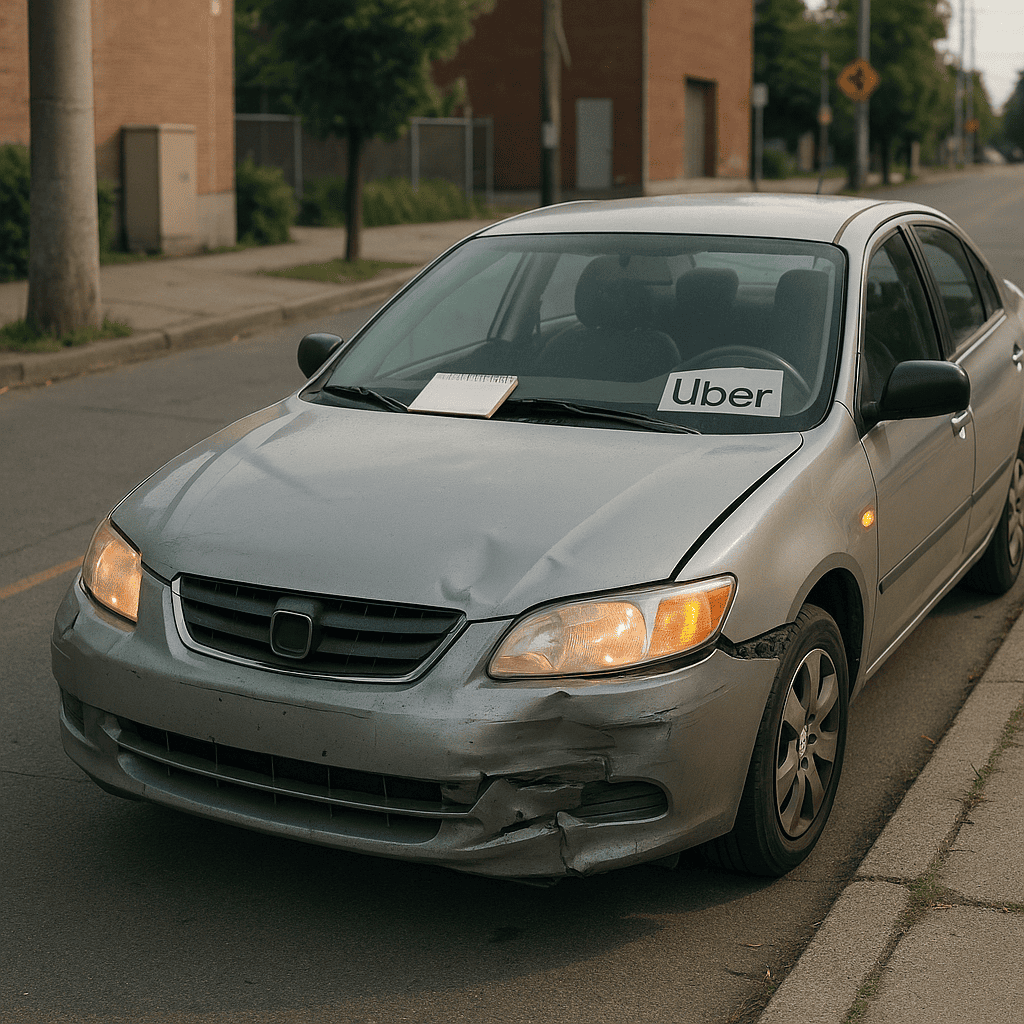
Got hit while in an Uber — how’s that different from a normal crash?
Getting into a car accident is stressful enough, but what happens when you’re a passenger in an Uber in Louisiana? If you were recently in an uber passenger accident Louisiana — whether in New Orleans, Metairie, or anywhere in Southeast Louisiana — the legal process for compensation is far from standard. Unlike a regular car crash, a rideshare accident involves multiple layers of insurance policies, complex liability rules, and potential legal hurdles.
This guide breaks down what makes Uber accidents legally different and explains how the insurance system works in Louisiana. Most importantly, it outlines the critical steps you need to take to protect yourself and get the full compensation you deserve. We help with uber accident in New Orleans, Metairie, Jefferson Parish, and St. Tammany cases.
Why are Uber Accidents Different from a Regular Car Crash?
The primary reason Uber accidents are legally distinct is the intricate web of insurance coverage. In Louisiana, Transportation Network Companies (TNCs) like Uber are legally required to carry special insurance. However, the specific policy that applies—and the amount of coverage available—depends entirely on the driver’s status at the time of the crash.This page explains uber passenger rights in Louisiana riders should know after a crash. Below we break down how uber accident insurance in Louisiana works by driver status.
Let’s explore the three distinct phases of an Uber driver’s day and how they impact your personal injury claim:
Phase 1: Active Ride (App On, Passenger in Vehicle)
This is the most favorable scenario for an injured passenger. When you are in the vehicle and a trip is in progress, Uber’s commercial insurance policy provides extensive coverage. During an active ride, the $1 million Uber policy that Louisiana passengers rely on may apply.
- Up to $1 million in third-party liability coverage for injuries and damages caused by the Uber driver.
- $1 million in uninsured/underinsured motorist (UM/UIM) coverage if the at-fault driver is uninsured, underinsured, or flees the scene.
If your Uber driver was at fault, you can file a claim against Uber’s policy. If another driver caused the crash, their insurance is the primary source of compensation, but Uber’s UM/UIM policy can act as a crucial safety net. This coverage applies whether you were heading to the airport from Metairie or leaving a concert in downtown New Orleans. Many of the same rules apply to a Lyft passenger accident Louisiana riders experience; ask us about Lyft claims.
Phase 2: En Route to Pick Up a Passenger (App On, No Passenger Yet)
When the app is on but no rider yet, app-on, no passenger coverage in Louisiana applies with reduced limits.
If a crash occurs after the Uber driver has accepted your ride request but before you have entered the vehicle, a different, lower level of insurance applies. Uber’s contingent insurance policy provides:
- $50,000 in bodily injury coverage per person
- $100,000 per accident
- $25,000 for property damage
This coverage is still more substantial than a typical personal auto policy but is significantly less than the $1 million coverage during an active ride. Understanding this distinction is vital, especially in busy areas like Jefferson Parish or St. Charles Parish where ride requests are frequent.
Phase 3: Driver Was Offline (App Off)
In this scenario, the Uber driver is not engaged in any rideshare activities. The app is off, and they are driving for personal use. In this case, Uber’s insurance does not apply at all. Your injury claim would be handled like any other car accident, relying on the at-fault driver’s personal auto insurance.
Who Pays for Your Injuries After a Louisiana Uber Accident?
Determining who is responsible for paying your medical bills, lost wages, and other damages can be legally complex. You may need to file a claim against Uber’s insurance provider, pursue a third-party driver, or file under multiple policies if the other driver is uninsured.
An experienced Louisiana personal injury attorney can navigate this process efficiently, ensuring you don’t face financial gaps in your medical care or recovery. Bloom Legal Network specializes in connecting you with local personal injury attorneys who understand the intricacies of rideshare insurance claims.
What to Do Immediately After an Uber Crash in Louisiana
No matter where the accident happened—from the French Quarter to St. Tammany Parish—your actions in the moments that follow can significantly impact your claim. Start with these steps:
- Call 911. Always file a police report. This creates an official, unbiased record of the accident, which is essential for any future legal action.
- Document Everything. Take photos and videos of the damage to all vehicles, the scene (e.g., street signs, traffic lights), and your visible injuries.
- Gather Driver Information. Collect contact and insurance details from both your Uber driver and any other drivers involved. Do not rely solely on the app’s information.
- Save Your Trip Details. Immediately take a screenshot of your trip summary in the Uber app. This will confirm the trip’s status (Phase 1 or 2) at the time of the crash.
- Seek Medical Attention. Even if you feel fine, see a doctor. Many serious injuries, like whiplash or concussions, have delayed symptoms. Medical records are critical evidence for your claim.
- Talk to a Lawyer Before Accepting a Settlement. Insurance companies, including Uber’s, may try to offer a quick, low-ball settlement. Do not sign anything or provide a statement without first consulting a legal professional.
What is a backup driver in Uber?
In Uber rides, there isn’t a formal role called a “backup driver.” For passenger trips, only the verified driver whose photo, name, vehicle, and license plate appear in the app is allowed to carry riders. If someone else takes the wheel—even for a “quick favor,” a shift change, or because the approved driver is tired—that person is an unauthorized driver under Uber’s rules. Practically, this matters for both safety and liability. The in-app verification process (photo, car model, plate) is what signals that a driver has passed the required checks and is tied to the trip in progress. When the person driving does not match the profile on your screen, it’s a policy violation and should be treated as a red flag.
If you suspect a mismatch, do not enter the car. Confirm the driver’s name and plate, and if anything looks off, cancel the ride and request another. If the mismatch is discovered mid-trip, prioritize safety: ask to stop in a safe location and consider reporting the issue in the app once you’re secure. From an insurance standpoint, using an unauthorized driver can complicate claims and shift responsibility toward personal policies. We also address Uber backup driver accident liability — what happens if a backup driver causes an accident under Uber’s policy — so passengers understand how coverage may be affected when the person behind the wheel isn’t the authorized profile tied to the ride.
Who pays if a backup driver causes an accident?
If an unauthorized (“backup”) driver causes the crash, the first question insurers ask is whether the person behind the wheel matched the approved driver in the app. If not, Uber’s commercial coverage can be disputed or denied because the trip wasn’t being performed by the authorized, vetted driver. In that situation, claims typically shift to the at-fault driver’s personal auto insurance. If another motorist (not the Uber car) caused the collision, their liability coverage is primary; if they are uninsured or underinsured and you were on an active ride, UM/UIM may still help cover your losses.
Responsibility also depends on the driver’s status at the time of impact: app off (personal policy only), app on with no passenger (contingent, lower limits), or active trip (the phase with the highest commercial limits—though still tied to the authorized driver). Because unauthorized driving muddies these lines, insurers may argue about which policy applies and in what order. That’s why documentation is critical: screenshot the trip screen (driver name, photo, plate), save messages, gather witness details, and get the police report number.
Practically, you may need to open claims with multiple carriers (the unauthorized driver’s personal insurer, the other driver’s insurer, and UM/UIM where available). This section explains uber backup driver liability causes accident scenarios and why policy violations can push claims toward personal coverage. If coverage disputes arise, counsel can help sequence the claims and preserve your rights.
How does Uber’s insurance policy handle substitute drivers?
For passenger rides, Uber’s insurance follows two anchors: the authorized driver on the trip and the driver’s status in the app (off / on with no passenger / active trip). There is no true “substitute driver” concept for carrying passengers. The person driving must be the same, verified individual shown in the app—photo, name, vehicle, and plate. When the driver does not match the profile, Uber treats it as a policy violation, and coverage can be challenged. In practice, that often pushes responsibility toward personal auto insurance and any third-party carrier that’s liable.
Coverage sequencing still depends on status. If the app is off, only personal insurance applies. If the app is on with no passenger, contingent liability (lower limits) may apply—but again, it presumes the authorized driver is the one driving. During an active trip, the commercial limits are highest, yet claims examiners will still check whether the driver matched the account. If not, they may dispute the commercial layer and route claims to the at-fault driver’s personal policy and, where appropriate, a third party’s insurer.
Practically, passengers should document the mismatch (screenshots of the trip screen, vehicle plate, and the person driving), keep all communications, and get the police report number. If injuries are involved, counsel can help open and sequence claims with the right carriers and preserve UM/UIM options. If an uber backup driver causes accident liability backup driver uber policy becomes disputed, claims typically target the at-fault driver’s personal insurer first.
Louisiana’s Updated Deadline (Statute of Limitations)
Here’s the uber accident statute of limitations in Louisiana riders must meet: for accidents on or after July 1, 2024, most Louisiana personal injury claims have a two-year filing deadline. Missing the deadline can bar recovery, so speak with a local injury attorney promptly to protect your rights.
Can I Sue Uber Directly?
People often ask, can I sue Uber in Louisiana after a passenger crash?Typically, no. Because Uber drivers are classified as independent contractors, it is generally difficult to sue the company directly. However, Uber’s $1 million insurance exists specifically to protect passengers during an active trip. A skilled Louisiana personal injury lawyer can help you access this policy and pursue the compensation you are owed without needing to sue the company itself.
Bloom Legal Network works with attorneys who have a proven track record of navigating these claims and protecting passengers from getting shortchanged.
Ready to get started?
📞 Got questions about an Uber accident in Louisiana? Call us at 504-599-9997 for a free consultation.
📧 Or, send us an email at info@bloomlegal.com and we’ll help you get connected to a lawyer who can help.
Frequently Asked Questions
What if my Uber driver caused the accident — am I still covered?
Yes. If you were a passenger during an active ride, Uber’s $1 million liability policy applies, even if your driver was at fault. You’re considered a third party, and their insurance is obligated to cover your injuries, lost wages, and other damages. In Louisiana, it’s important to act quickly and document everything so your claim is taken seriously.
Can I still make a claim if the other driver fled the scene or had no insurance?
Yes. In this case, Uber’s UM/UIM coverage may apply, depending on the circumstances. If you were on an active ride, Uber’s policy provides backup coverage to help protect you when the at-fault driver can’t pay. Your attorney can help file this type of claim properly and prove your damages. Uninsured/Underinsured motorist coverage from Uber in Louisiana may apply during an active ride.
How long do I have to file a claim after an Uber crash in Louisiana?
Louisiana has a two-year prescriptive period (statute of limitations) for personal injury claims. That means you have just 24 months from the date of the accident to file a lawsuit. If you miss that window, you may lose your right to any compensation. It’s best to speak with a local injury attorney right away to protect your rights and avoid legal pitfalls.