Top Mistakes Commercial Property Owners Make After a Hurricane (And How to Avoid Them)
I own a commercial building in Louisiana — what should I avoid after a hurricane hits?
For commercial property owners across Louisiana, especially in hurricane-prone regions like New Orleans, Metairie, Jefferson Parish, St. Charles Parish, and St. Tammany Parish, the annual hurricane season brings with it a unique set of challenges.
Beyond the immediate threat to life and property, the aftermath often involves a complex and potentially contentious battle with insurance companies over commercial property claims. While preparing your business for a storm is crucial, what you do after the winds subside and the waters recede can make or break your ability to fully recover.
Many business owners, understandably overwhelmed and focused on reopening, inadvertently make critical mistakes that can significantly jeopardize their insurance payout. These errors can lead to denied claims, prolonged delays, or drastically underpaid settlements, leaving your business struggling to rebuild. Before taking action, review this guide on property owners hurricane claims in Louisiana to understand your rights and how to secure the full compensation you’re entitled to.
We will outline the top mistakes businesses in Southeast Louisiana often make after a hurricane and, more importantly, provides actionable strategies to avoid them, ensuring your commercial property claim is handled effectively and efficiently.
Mistake 1: Delaying Notification and Documentation
One of the most common and damaging errors is failing to act quickly. While safety is always paramount, once your property is secure, time is of the essence.
- The Mistake: Waiting too long to notify your insurer or beginning cleanup/repairs without comprehensive documentation. Insurance policies often have strict deadlines for reporting damage, and delays can be used by the insurer to diminish or deny your claim. Cleaning up debris or making significant repairs before proper documentation can also erase crucial evidence.
- How to Avoid It:
- Immediate Notification: As soon as it’s safe, notify your commercial property insurance carrier. Provide your policy number and a general overview of the damage. Keep a detailed log of all communications: dates, times, names of representatives, and a summary of what was discussed.
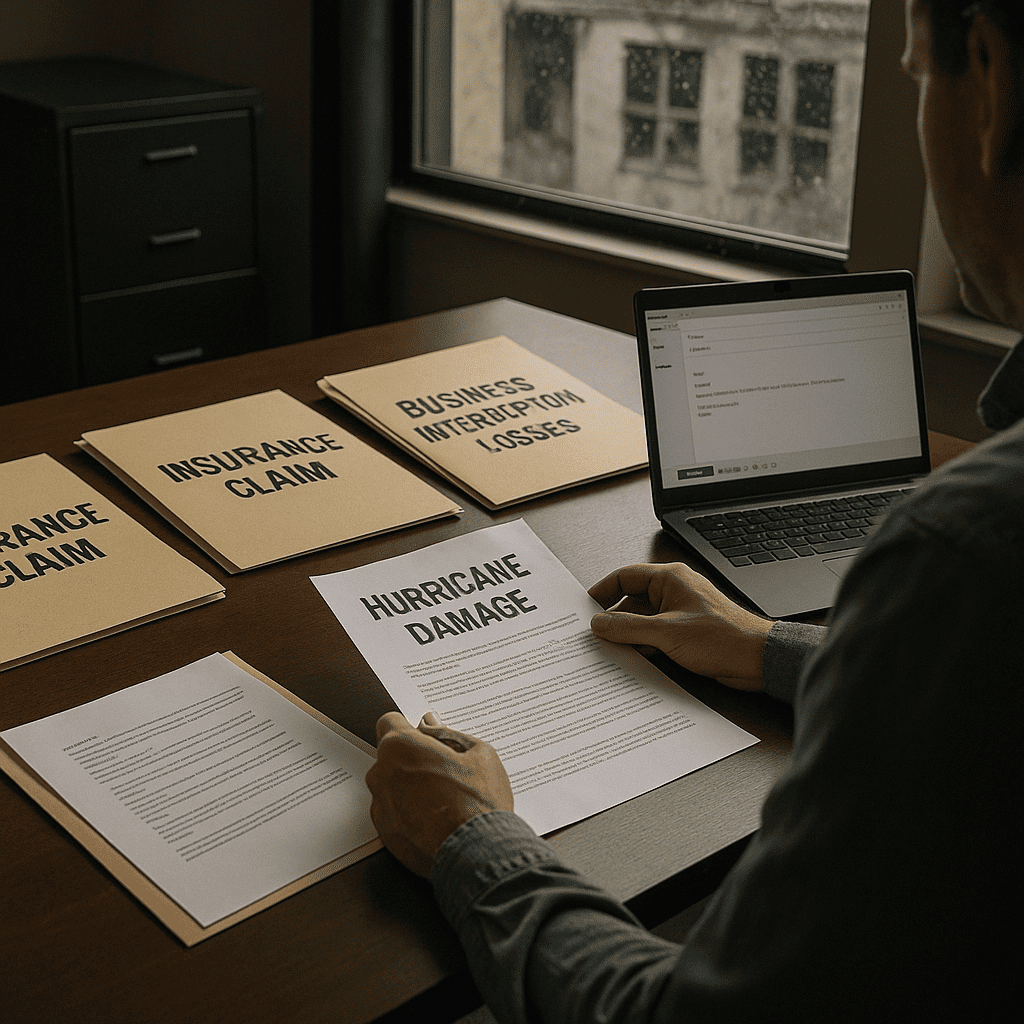
- Document, Document, Document: Before any significant cleanup or permanent repairs begin, document everything. Take extensive photos and videos of all damage, inside and out. Capture wide shots for context and close-ups for detail. This includes structural damage, water intrusion, damaged inventory, equipment, and any impact on business operations. If you have “before” photos of your property (e.g., from a recent renovation or appraisal), they can be invaluable for comparison. For businesses in a busy area like New Orleans or Metairie, visual evidence is key.
- Inventory All Losses: Create a meticulous, itemized list of all damaged or lost commercial property, including equipment, machinery, furniture, and inventory. Include descriptions, purchase dates, estimated values, and, crucially, any available receipts or proof of purchase. Don’t discard damaged items until an adjuster has seen them, unless they pose a safety hazard.
Mistake 2: Misunderstanding Your Commercial Policy Coverage
Commercial insurance policies are complex legal documents, often filled with nuanced language, specific clauses, and exclusions that can easily be misinterpreted.
- The Mistake: Assuming broad coverage without thoroughly reviewing your specific policy, particularly regarding named storm deductibles, flood exclusions, and business interruption clauses. Many business owners in coastal areas of Jefferson Parish and St. Tammany Parish mistakenly believe their standard commercial property policy covers all hurricane-related damage, including flood.
- How to Avoid It:
- Obtain Your Full Policy: Request a complete, certified copy of your commercial property insurance policy, including all endorsements and declarations. Do this before the storm, if possible, or immediately after.
- Review Key Sections: Pay close attention to:
- Hurricane/Named Storm Deductibles: These are often a percentage (e.g., 2% or 5%) of your insured value, not a flat dollar amount, and can be substantial.
- Flood Exclusion: Standard commercial property policies do not cover flood damage. That requires a separate flood insurance policy (e.g., NFIP or private flood). Distinguishing between wind and flood damage is a frequent point of contention.
- Business Interruption (BI) Coverage: Understand how “period of restoration” is defined, what expenses are covered (e.g., lost profits, continuing expenses like payroll, rent, utilities), and how the calculation of lost income is determined.
- Seek Clarification: If any part of your policy is unclear, consult a knowledgeable commercial insurance dispute attorney. Bloom Legal Network connects you with legal professionals who can demystify complex policy language and ensure you understand your rights and limitations.
Mistake 3: Accepting the First Settlement Offer Too Quickly
Insurance companies are businesses, and their primary goal is to minimize payouts. Adjusters are trained negotiators who work for the insurer, not for you.
- The Mistake: Feeling pressured by financial strain or the desire to rebuild quickly, business owners often accept the initial settlement offer, which is frequently a “lowball” figure that does not fully cover their losses. Signing a release without fully understanding its implications can prevent you from claiming additional damages later.
- How to Avoid It:
- Independent Estimates: Always obtain multiple, detailed repair estimates from reputable, licensed commercial contractors. These estimates should itemize costs for labor, materials, and necessary permits. For specialized equipment, get estimates from experts in that field.
- Don’t Settle Under Pressure: You are not obligated to accept the first offer. Take your time to review it thoroughly, compare it against your independent estimates and your documented losses.
- Factor in All Losses: Ensure the offer accounts for not only physical property damage but also business interruption, debris removal, extra expenses incurred (like temporary relocation in St. Charles Parish), and potential code upgrades required during rebuilding.
- Consider Legal Counsel: If the offer seems inadequate or your insurer is difficult to deal with, it’s a strong indicator that you need a commercial insurance dispute attorney. An attorney can negotiate on your behalf, often securing a significantly higher settlement. Contact Bloom Legal Network before signing anything that could jeopardize your full recovery.
Mistake 4: Failing to Adequately Track All Expenses and Financial Losses
Rebuilding a business after a hurricane involves numerous unforeseen costs, especially when operations are interrupted.
- The Mistake: Not meticulously tracking all expenses related to mitigation, temporary repairs, and, most critically, the financial impact of business interruption. Many businesses overlook indirect costs or fail to maintain proper records, making it difficult to prove these losses to the insurer.
- How to Avoid It:
- Detailed Record-Keeping: Keep a meticulous ledger or spreadsheet of all expenses incurred due to the hurricane. This includes:
- Emergency repairs (tarps, boarding, water extraction).
- Debris removal costs.
- Generator rentals, fuel.
- Security costs for damaged property.
- Temporary relocation expenses.
- Increased operating costs (e.g., overtime for employees, renting temporary equipment).
- Business Interruption Documentation: For BI claims, gather comprehensive financial records: profit and loss statements, tax returns, payroll records, utility bills, and any documents demonstrating your business’s income and expenses before the storm and the impact after. For businesses in tourist-dependent areas like New Orleans, this can be complex due to seasonal fluctuations.
- Receipts, Receipts, Receipts: Keep every single receipt, invoice, and bill. Organize them immediately. This paper trail is invaluable for substantiating your claim.
- Detailed Record-Keeping: Keep a meticulous ledger or spreadsheet of all expenses incurred due to the hurricane. This includes:
Mistake 5: Not Understanding Louisiana’s Bad Faith Laws
Louisiana has some of the strongest consumer protection laws for insurance policyholders in the nation. Many business owners are unaware of these rights.
- The Mistake: Not recognizing when an insurer is engaging in bad faith tactics (unreasonable delays, inadequate investigations, lowball offers) or failing to leverage the power of Louisiana’s insurance statutes. This can lead to insurers taking advantage of your lack of knowledge.
- How to Avoid It:
- Know Your Rights: Understand that Louisiana Revised Statutes 22:1892 and 22:1973 mandate specific deadlines and fair practices for insurers. If your claim is denied or delayed without reasonable cause, or if the insurer misrepresents your policy, they may be acting in bad faith and could be subject to significant penalties, including additional damages and attorney’s fees.
- Identify Red Flags: Be vigilant for signs of bad faith, as discussed in our previous article (e.g., unresponsive adjusters, demands for irrelevant information, delays in payment).
- Consult a Bad Faith Attorney: If you suspect bad faith, contact a Louisiana commercial insurance dispute attorney immediately. Bloom Legal Network connects you with legal professionals who are experts in navigating these statutes and holding insurers accountable. They can often compel the insurer to re-evaluate your claim or pursue litigation if necessary.
Partner with Bloom Legal Network for a Stronger Recovery
Hurricane season is a challenging time for all of Southeast Louisiana, and commercial property owners carry a heavy burden of recovery. Protecting your business from the storm extends far beyond boarding up windows; it means diligently navigating the insurance claims process to secure the compensation you’re rightfully owed.
Don’t let common mistakes jeopardize your business’s future!
Whether your commercial property is in the heart of New Orleans, the thriving suburbs of Metairie, the industrial centers of Jefferson Parish, or the growing communities of St. Charles and St. Tammany Parishes, having strategic legal guidance can make all the difference.
Ready to protect your commercial property and maximize your hurricane claim? Contact Bloom Legal Network today.
📞 Call us at 504-599-9997 📧 Email us at info@bloomlegal.com
Let us help you confidently navigate the aftermath of a hurricane, ensuring your business stands strong and is ready to grow.