Top Reasons Immigration Cases Are Delayed in Louisiana
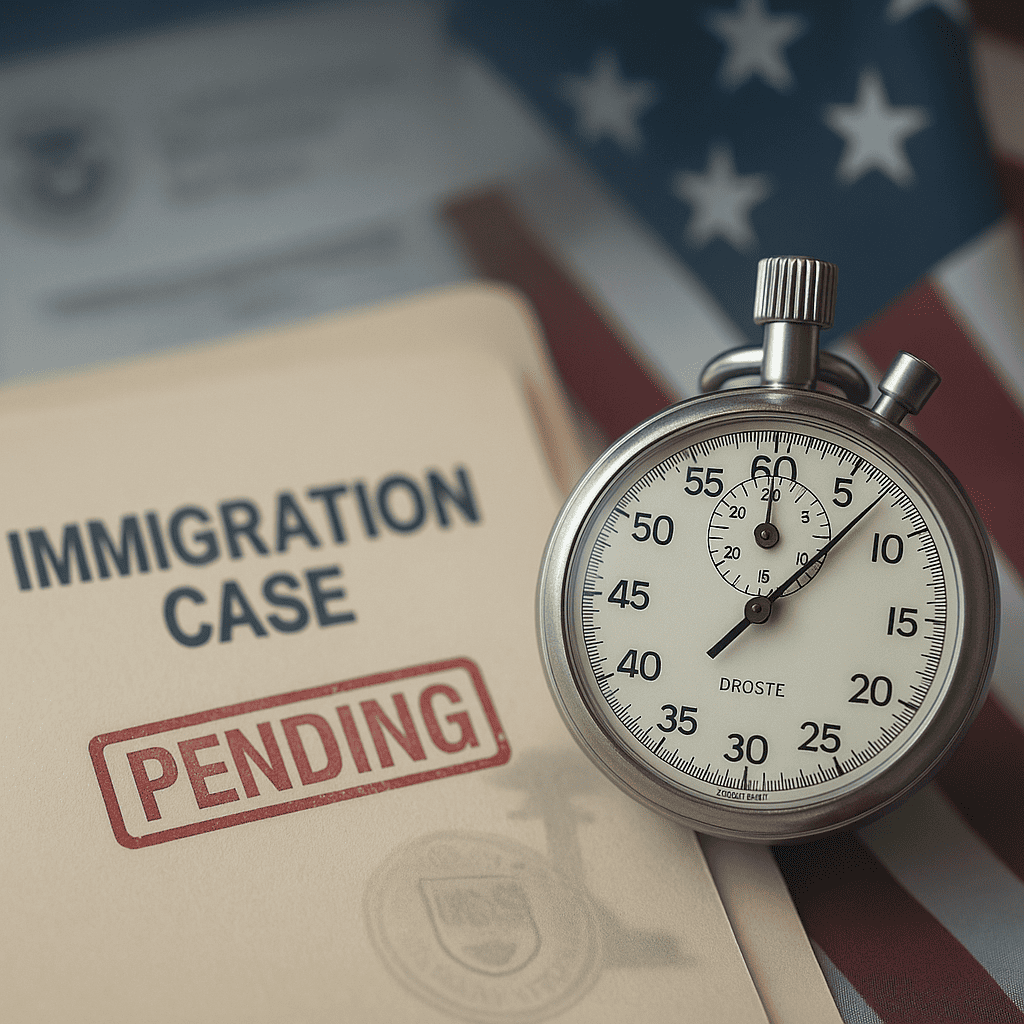
Navigating the U.S. immigration process can be overwhelming on its own, but delays? They add an entirely new layer of stress. Whether you’re applying for a green card, asylum, citizenship, or any immigration benefit, case processing delays have become increasingly common in Louisiana and across the country.
At Bloom Legal Network, we work with individuals and families across Louisiana to help them stay informed, prepared, and protected. In this article, we break down the most common reasons immigration cases are delayed in Louisiana, and what you can do if you’re stuck waiting.
If delays are affecting your life, consider talking to an immigration attorney in Southeast Louisiana to understand your options and next steps.1. Backlogs at USCIS and Local Immigration Offices
One of the most widespread causes of immigration delays in Louisiana is the backlog at U.S. Citizenship and Immigration Services (USCIS) and local immigration courts.
In New Orleans, USCIS offices are handling high volumes of green card, work permit, and citizenship applications, and that means slower processing times. Immigration courts are also overloaded, especially for asylum and removal defense cases. The COVID-19 pandemic worsened this issue, and the system still hasn’t fully recovered.
What you can do:
Track your case regularly using the USCIS case tracker and speak with an immigration attorney in Louisiana if your case has been pending far beyond the normal timeline.
2. Missing or Incomplete Documentation
Another major cause of delays is incomplete applications. Something as small as forgetting a signature or failing to include translations can lead to a Request for Evidence (RFE), which pauses the processing of your case until you respond.
This is particularly common in green card applications, adjustment of status filings, and certain visa petitions. Once USCIS issues an RFE or Notice of Intent to Deny (NOID), the clock stops until you reply, and your case could be denied if you miss the deadline.
Louisiana tip: Double-check everything before submission. If you’re unsure whether you included all the right documents, talk to a New Orleans immigration lawyer who can help you prepare your response properly.
3. Background Checks and Security Screenings
Immigration applicants must pass several layers of security checks, including biometric screening, FBI background checks, and interagency vetting. While this process is usually routine, it can be delayed for applicants with:
- Similar names to individuals on watchlists
- Past arrests or criminal charges (even dismissed ones)
- Immigration violations or deportation history
In Louisiana, these delays are more common in areas like New Orleans and Jefferson Parish, where more cases are flagged for closer review.
What you can do:
If your case is delayed due to background checks, it may be possible to file a Mandamus lawsuit to compel USCIS to take action, but you should only do this under the guidance of an experienced immigration attorney in Louisiana.
4. Interview Scheduling Delays
In many immigration processes, including green cards and naturalization, an in-person interview is required. Unfortunately, USCIS field offices in Louisiana are facing staffing shortages and heavy case loads, resulting in delayed interview scheduling, sometimes by several months.
Some applicants wait over a year just to receive their appointment letter, even if their application was otherwise ready to move forward.
Tip: Stay on top of your case and don’t ignore USCIS notices. If your interview notice gets lost or you miss your scheduled date, your case could be delayed even further or denied entirely.
5. Errors in USCIS Systems or Filing Locations
It may sound surprising, but one of the most frustrating reasons for delays is USCIS system errors or internal misrouting. This includes:
- Sending your application to the wrong service center
- Losing documents
- Data entry mistakes (wrong birth date, name misspelling, etc.)
These delays often go unnoticed until a long time has passed. Applicants in Louisiana frequently report not hearing back for months, only to discover that something went wrong on USCIS’s end.
What to do:
If your case has been unresponsive for more than the typical processing window, request a case inquiry with USCIS and speak to an immigration lawyer who can escalate the matter.
6. Change in Immigration Policies or Processing Rules
Immigration laws and procedures can shift quickly. Policy changes, such as those related to public charge rules, DACA, or TPS, can result in significant case delays as the government reinterprets eligibility or procedures.
For Louisiana immigrants, any change in national policy can delay active applications, especially if the case falls under a category being litigated or restructured.
7. Court Delays for Asylum and Deportation Defense Cases
If your case is in immigration court instead of USCIS, like asylum claims or removal proceedings, delays are even more common. Louisiana has multiple immigration courts, including the Oakdale and Jena courts, which are severely backed up.
Some applicants wait 2–4 years just for their individual hearing. During this time, your case is technically “active,” but nothing happens unless you have an emergency or major update.
What you can do:
Your lawyer can request to advance your hearing (if justified), request bond hearings, or take legal action depending on the situation. Working with an experienced deportation defense attorney in Louisiana can help you stay informed and protected while your case is pending.
What to Do If Your Immigration Case Is Delayed in Louisiana
If you’re experiencing a delay in your immigration process, whether it’s a green card, naturalization, work permit, or court case, don’t wait in the dark. The best way to protect your future is to get a clear picture of your legal options.
At Bloom Legal Network, we connect individuals and families with a trusted immigration lawyer Louisiana who understands both the law and the unique challenges of processing delays in this state.
We Can Help You:
- Track and follow up on your delayed case
- Respond to RFEs or notices from USCIS
- Prepare for interviews and hearings
- File case inquiries or take legal action when necessary
- Avoid mistakes that cause further delays
Delays Can Cost Time and Opportunities
Whether you’re waiting for a work permit, your green card, or an immigration court decision, time matters. Delays can impact your ability to work, reunite with family, or even stay legally in the country.
Don’t face the immigration system alone. If your case is delayed, it’s time to get guidance from professionals who understand how the system works and how to move things forward.📞 Call Bloom Legal Network today at 504-599-9997
📧 Email info@bloomlegal.com to get connected with an immigration attorney in Louisiana who can help you understand your case and take action.